iPhone has been the most popular phone in China for years. Chinese consumers are crazy about iPhone, sparking frequent incidents that are unthinkable in other countries.
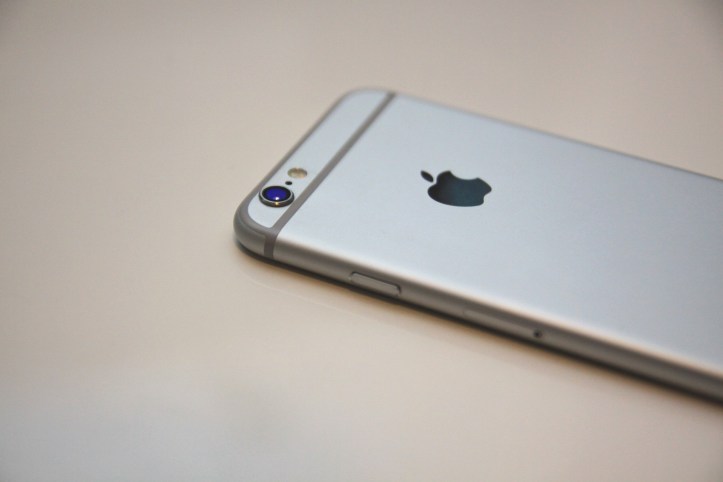
In 2012, in order to get an iPhone and iPad, a teenage boy in Hunan sold one of his kidneys. In 2014, a man was caught in Hong Kong trying to smuggle 94 iPhones into mainland China by taping them to his body. In 2016, two sperm banks in Shanghai and Wuhan ran a campaign, which enticed buyers to donate sperm to get cash for iPhones. This year again, a woman was caught at Hong Kong customs smuggling 102 iPhones into China by strapping them to her body.
However brilliant you think the iPhone is, you may still wonder: What is this entire craze all about?
It’s a status icon
The first and foremost reason is the emphasis on status in the Chinese society. Many things that Chinese people do boil down to “saving face”, including the obsession with luxury goods, because toting them projects an image of higher status and thus saves face.
According to a survey by Hurun Report, Apple is the number one sought-after brand for Chinese millionaires, followed by traditional luxury brands Louis Vuitton, Gucci, Chanel and Dior.

An iPhone sells at north of RMB5,000 (US$766) in China, which is not cheap at all considering the average income of Chinese workers. (The average monthly salary in major Chinese cities is about US$922. It’s lower in other cities and the income for factory workers is only half of that.) Compared to other brands in China, it’s definitely one of the most expensive mobile phones. That price tag places iPhone in the luxury category. The same rationale goes for iPad and Mac computers, which are also high-priced products in China.
Holding an iPhone high, plunking one down on the table – that’s the Chinese way of telling you: I can afford this and I am successful.
I remember the scene when I walked into a Starbucks in Changsha city a few years ago. The entire place was like an Apple showroom. As the first Starbucks opened in the city, the shop was crawling with youngsters as Starbucks is perceived as a cool place to hang out at. I’m not so sure that every one of them was a genuine fan of American coffee, but almost everyone brought their Apple gadgets and spread them all over the tables: iPhones, iPads and Mac laptops.
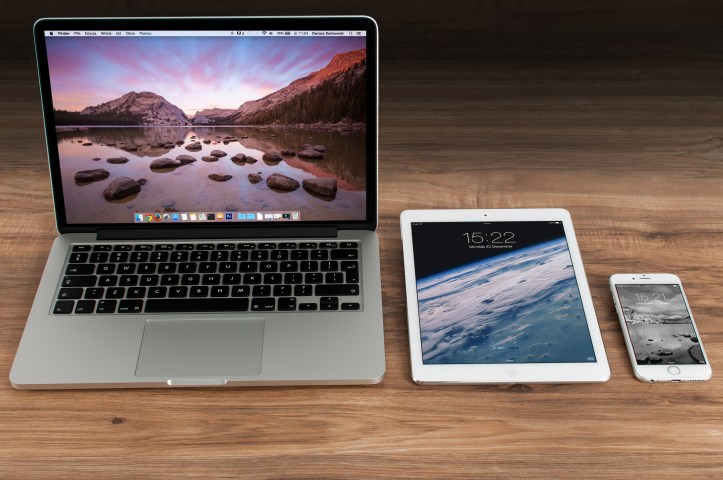
I can only think of one reason for the show: Drinking a RMB40 (US$6) latte and holding a few Apple products is a sure sign of wealth and success.
iPhone 5C, the cheaper version of iPhone 5S, was a failure in the country. It fared so bad that Apple decided to kill it off in China less than a year. Why? The Chinese don’t want to look cheap because that makes them lose face.
It’s an American brand
Samsung has high-end models and prices are quite steep as well, such as its Note and S series phones. Why the Chinese are not that into it? That’s because Apple is an American brand, while Samsung is from a small Asian country.
China has a strange relationship with South Korea. Economically and culturally, they are very close. Many Chinese are fans of the Korean pop culture, but they don’t hide the disparagement of South Korea either. Sometimes they openly refer to the country as “Gaoli Bangzi”, a pejorative term that originated from the old history when Korea was a tributary state to China.
As for America, the Chinese have mixed feelings. On the one hand, America is perceived as a competitor or even an enemy; on the other hand, the Chinese admire the country greatly for their might and influence. The Chinese slang for America is “Meidi”, which literally means American empire. Though it carries a slight mockery, more of it is admiration.
The Chinese nicknames of the two brands say a bunch about their thoughts. iPhone has been widely called “Tuhaojin” in China. Tuhao means nouveau riche or wealthy people, while jin means gold. The whole term can be translated into “the gold of wealthy people”. Samsung is often called “Shangxin”, which is the Chinese word “sad” and rhymes with the brand’s Chinese name “Sanxing”.

Put it simply: If Samsung was made in the US and Apple made in South Korea, their popularity in China could have been reversed.
 The Tip Box
[…] Chinese consumers’ love for iPhone – one of the most expensive phones in China – demonstrates their value-seeking characteristic. […]
LikeLike