As someone who values discipline, I’ve always followed a routine in my activities and set certain rules for myself. I never imagined I could develop an addiction. That is until I realized my uncontrollable urge to scroll through social media.
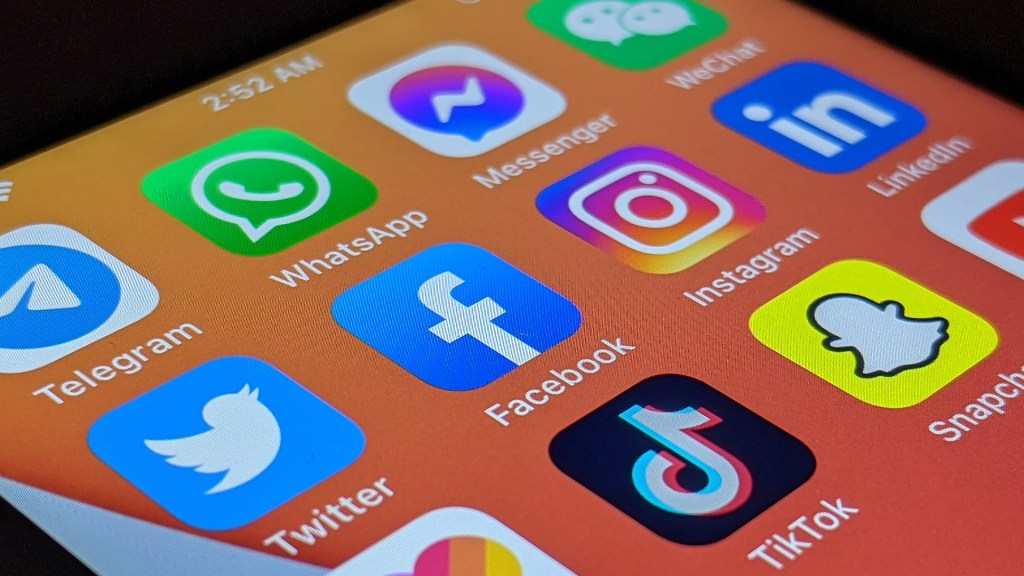
It’s not that my friends post more frequently. In fact, most of us—myself included—have reduced our virtual presence. I now use social media primarily to stay informed of current events or catch up on the latest trends.
The “trends”, however, are what sucked me in. I’ve come to the unsettling realization that I’ve fallen victim to this phenomenon, gradually becoming addicted to the social media content that is manufactured by complete strangers, who have no true credibility other than self-professed expertise and a talent for posing in front of a smartphone camera.
Initially, I only checked my feeds casually, sampling a few posts here and there. Over time, though, I found myself spending more and more time scrolling—sometimes a dozen times a day—mindlessly jumping from one post to another, lingering for mere seconds or a minute before moving on to the next. Nothing seems interesting anymore, and most content today consists of short clips lasting no more than 30 seconds.
Sure, some of the videos are funny and make me laugh for a second or two. And yes, these strangers—some of whom have garnered millions of views of their content—are skilled actors. But no, they did not make my day any happier. They only succeeded in miring me deeper in a virtual world, keeping me hooked on what has essentially become this digital opium, one clip at a time.
What I resent more is the algorithm of these social media platforms. It peers into my mind, analyses my interests, and then feeds me with endless content to make me keep scrolling.
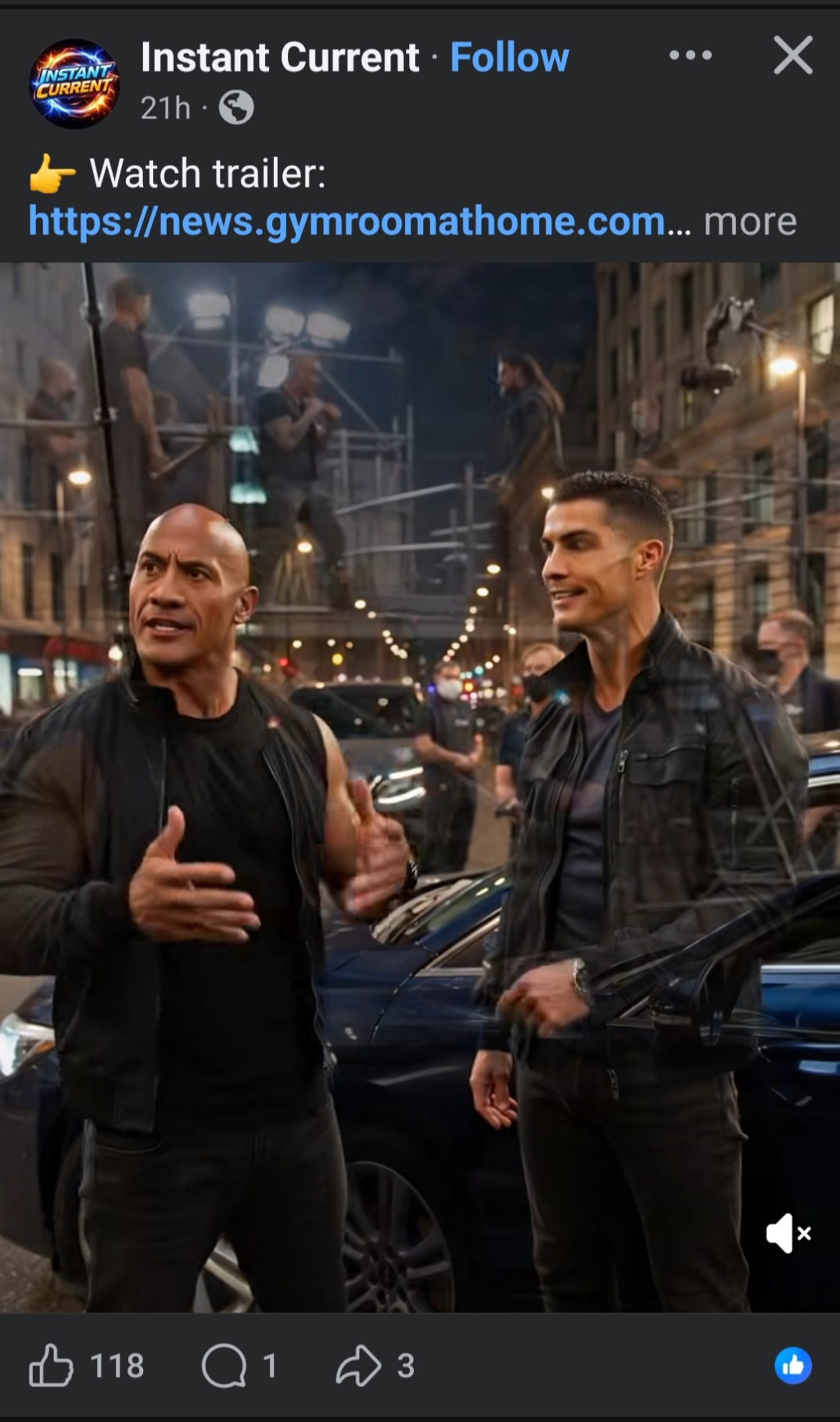
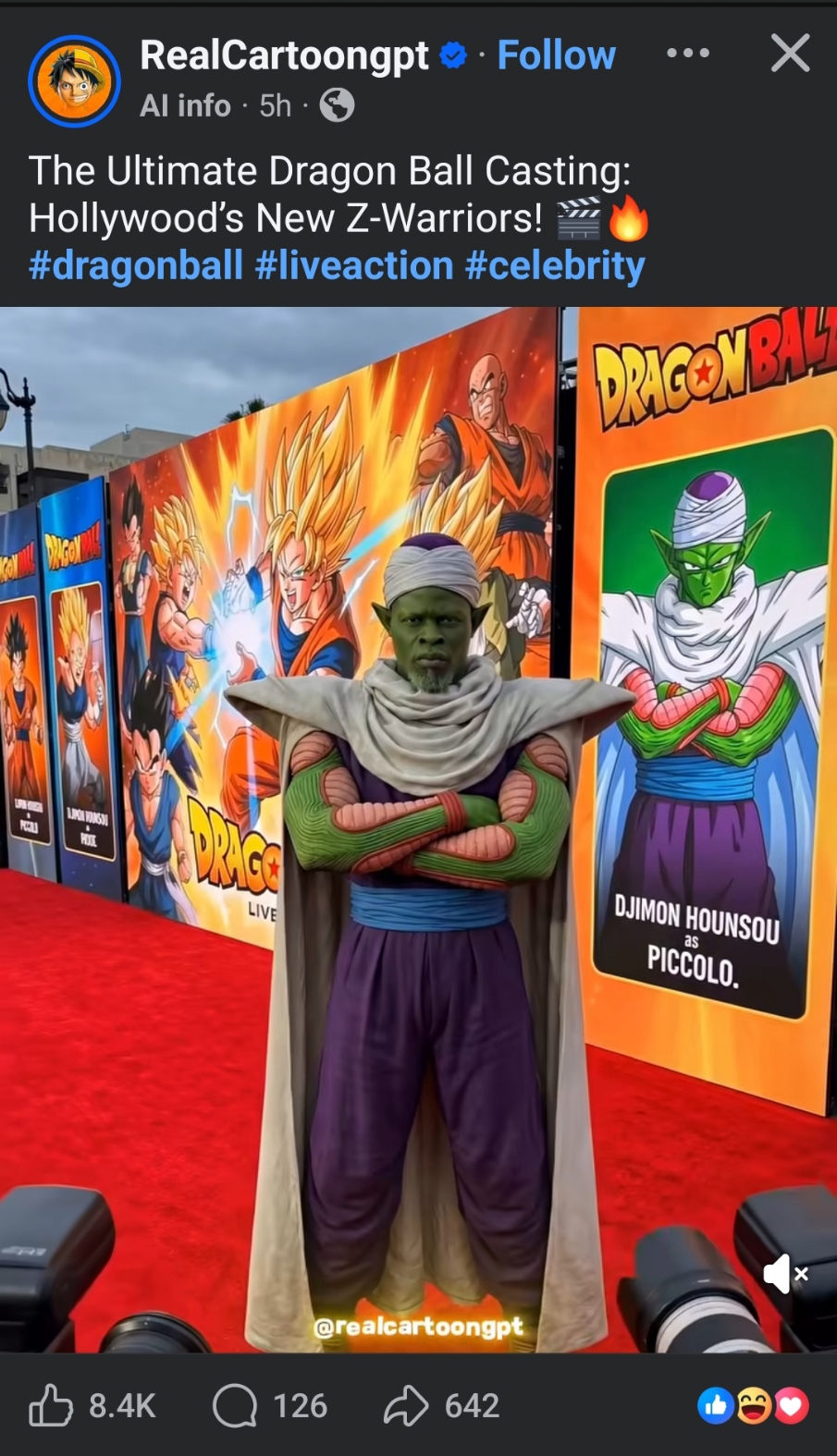
I am a movie buff and followed some industry accounts, such as IMDb. Here is the pile of unsolicited posts from just one scroll:


Knowing that I am a fan of Mazda, the algorithm recommended this post to me:

These are all fake, of course. But every time I open my Facebook or Instagram, my feed is bombarded by similar garbage from accounts I never even followed. This constant barrage of fake content is no less than an insult to my intelligence.
I think social media already fragmented us into polarized camps, but is this our new reality—fake content assisted by increasingly advanced AI populates the digital world, persistently obfuscates truth and falsehood? The social media companies allow user-generated fakes and misinformation to flood our feeds with little to no interference. As long as the content drives engagement (clearly it does, judging by the likes, comments and shares of the above posts), they are happy to leave users to fend for themselves.
That is just maddening. Has humanity really been reduced to this—where commercial gain always trumps conscience? Big corporations are allowed to operate without accountability under the guise of “just business”?
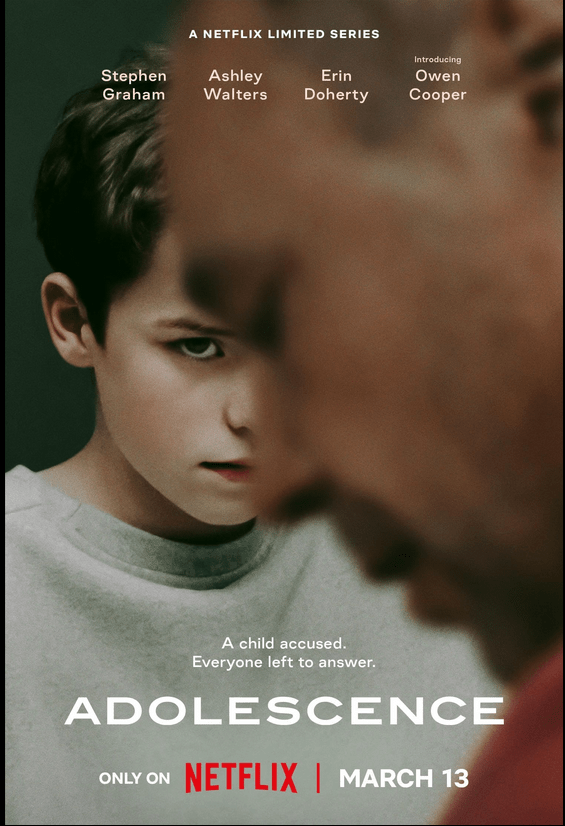
The wake-up call sounded in 2025. The British mini series Adolescence became the first streaming show to top the UK’s weekly TV ratings, and captured the attention of parents around the world. The show is a warning about the mental harm that the social media inflicts on young children, from the trauma of cyber bullying to the warping of their worldviews through unmonitored exposure to inappropriate content.
I couldn’t get my mind off the scene in the last episode, where the parents reflect what could have contributed to their 13-year-old boy’s misogynistic behavior. The mother grieves for the perpetual absence of her son, who locks himself in the room all the time and never wants to leave his computer. The father blames the unwanted rants popped up on his phone merely from his searches about gyms, and laments that they just can’t keep an eye on their child all the time.
What if this happens to my kids? I’ve always had the deep anxiety about how to shield their innocent minds from this digital onslaught, protecting them from the constant assault of online misinformation and brainwashing. The algorithm of social media suggests and pushes the content based on our likes and watch habit. The recommended videos could grow soon from harmless work-out routines to something much more extreme.
Then in December 2025, Australia became the first country to ban social media for kids under 16s. I felt some relief—finally, some help from the authorities.
Many other countries soon followed suit. The governments in Austria, Brazil, Greece, Indonesia, Malaysia, France, Spain, Portugal, Denmark, Norway, Italy, Germany and UK, are implementing or proposing similar legislation.
In March 2026, Facebook and Instagram’s parent company Meta was ordered by the New Mexico court in the US to pay $US375 million for violation of consumer protection, misleading users about the safety of Facebook, Instagram and WhatsApp, and of enabling child sexual exploitation on those platforms. The jury’s deliberation took less than a day.
In the same time, the jury in Los Angeles, California, found Meta and Google negligent in the design or operation of their platforms. The jury found these companies intentionally built addictive social media platforms that harmed the plaintiff’s mental health. The 20-year-old young woman was awarded $US3 million in damages.
I feel this is a turning point in human history. After decades of expansion of social media in our lives, some of us have finally realized that we have to take a stand and stop these companies from exploiting the next generation for their own profit.
Perhaps the day of reckoning for social media has finally arrived. If I am to see a better life for my kids, I would wholeheartedly welcome a retreat of these platforms from their daily lives.
 The Tip Box