One of the cruel consequences of the coronavirus pandemic is travel restrictions. For me, it is especially painful as I live among three countries.
Australia shut its borders since late March this year. With no end in sight to the border closures, I sheltered my plans to go back to Singapore or visit my old hometown in China.
My last visit to my birth city, Changsha, was in late August 2018. As I stumbled upon the photos of that trip, I relished the memories of the old taste that I am familiar with and still fond of.
I remember my friend picked us up at the airport when we arrived. He drove us in his BMW to the outskirts of town straightway and introduced us to a “shabby” family restaurant.
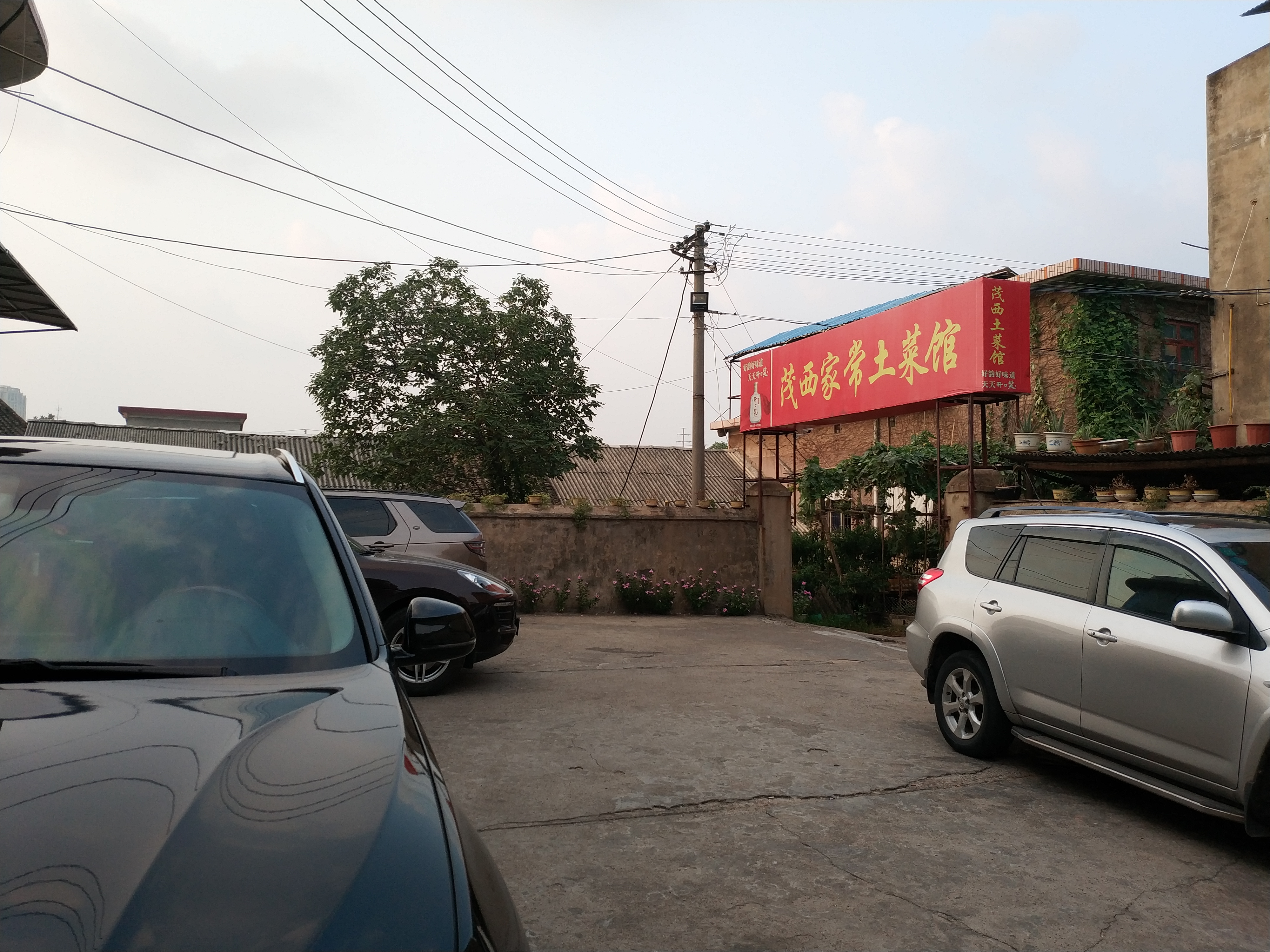
The place is old and a little dilapidated, something impossible to be spotted in the city, which transformed beyond recognition after I moved overseas. My friend’s car is visibly out of tune with the graceless environment. But to my surprise, many other luxury cars are parked on the premises and the restaurant is packed with the guests from the city.
Despite the unrefined setting, the place serves delicious dishes that beat the best restaurants that I’ve tried. No elegant presentation, but the food is full of the old tastes that are quintessential Changsha.
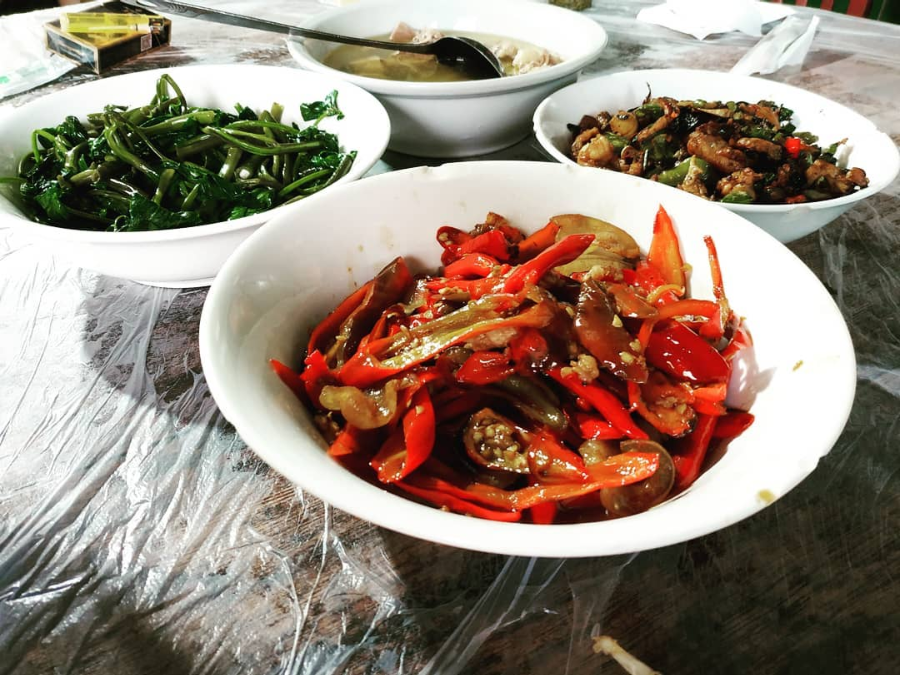
I left China two decades ago and I can’t tell you how much China has changed. To a certain extent, this is a country that now places more value in extravagance and luxury. People are relentlessly pursuing wealth and all the finer things. This restaurant is a rare spot that reminds me of a past when life was plain and simple.
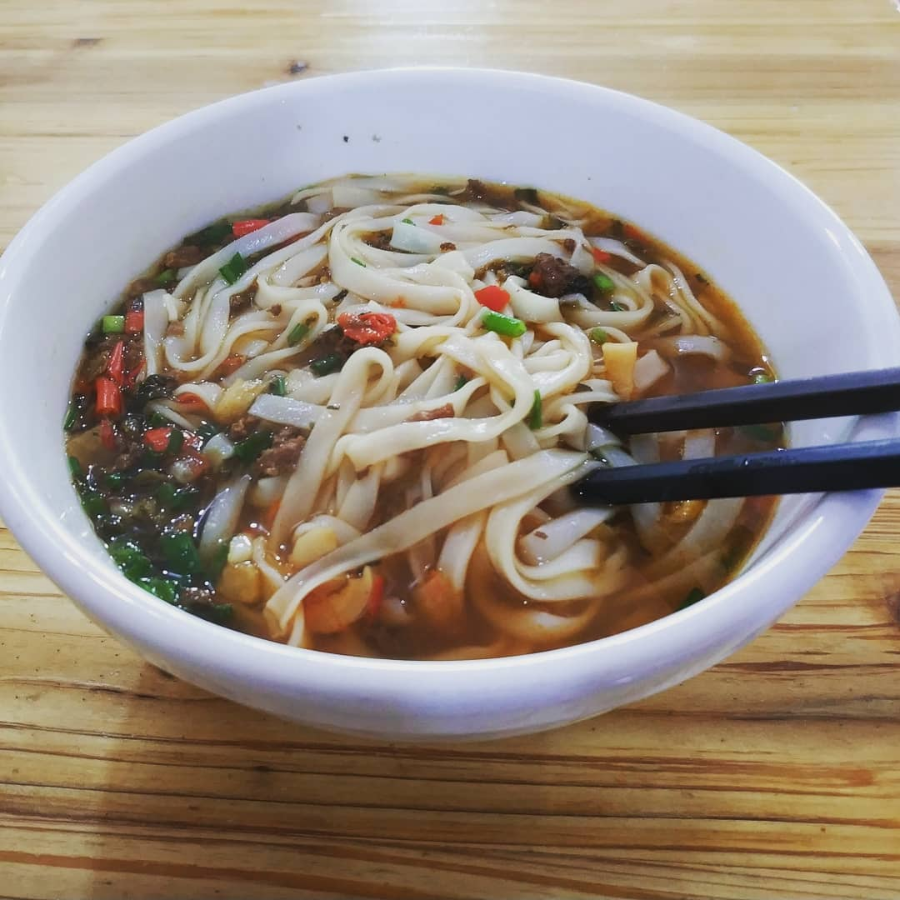
In the next few days, I always went out to get my favorite breakfast: Mifen (rice noodles). This is the most popular breakfast option in Hunan. Though it is little known outside the province and largely unknown outside China, restaurants that serve it can almost be found on every street in Changsha and the cities across Hunan.
Mifen has a very similar texture to Vietnamese pho, slightly thicker but just as soft. It is usually served together with beef or pork, sprinkled with a layer of spring onion and shredded garlic that bring out the fragrance. Other ingredients such as pickles, shredded carrot and chili can be freely added by the customer.
Locals, who can’t eat anything without chili, add shredded chili, shredded carrot mixed in chili and chili sauce to give it an ultra oomph of spiciness. The mixed flavors dissolved in the soup are also quickly absorbed by the rice noodles. It is a bowl of strong flavors that are delivered right to the taste buds by the soft-textured vermicelli.
When I was out, I also tried some street snacks, including the most famous one: Stinky Tofu. The popular local delicacy is often found at Changsha’s night markets.
Deep fried (same cooking style as in Hong Kong) and then spread with spring onion, shredded carrot, chili and other spices, it comes with a less strong smell but a strong taste.

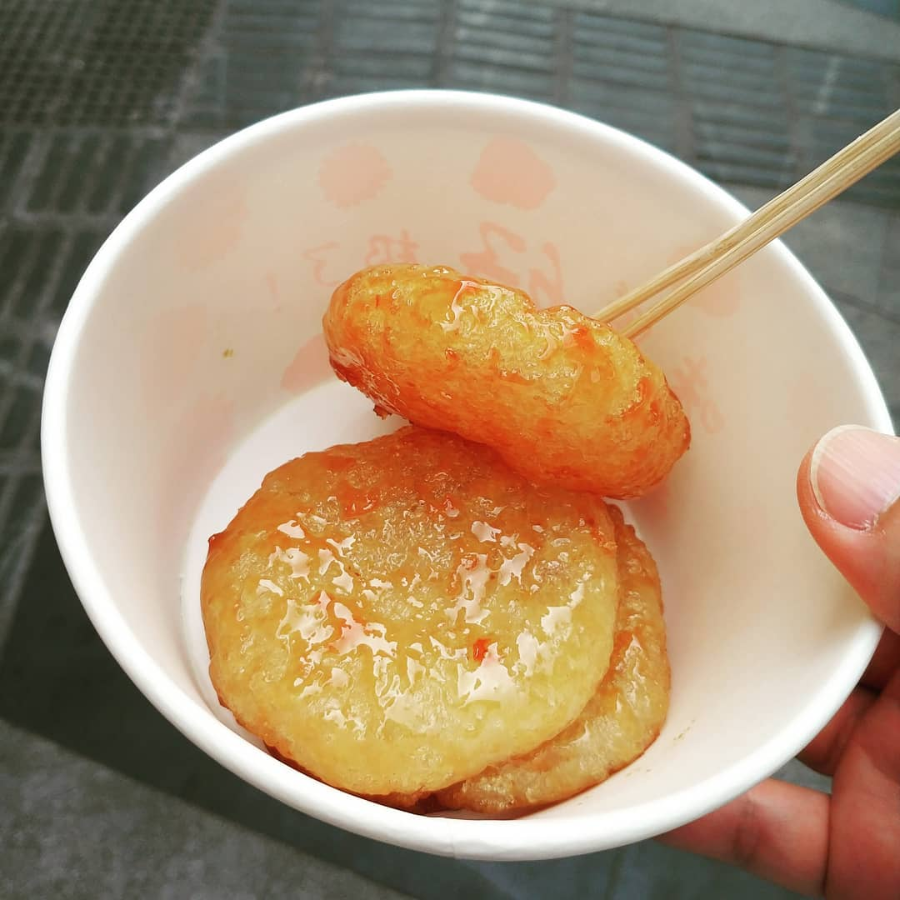
Another famous street snack is Tang You Baba (sweet glutinous rice cake). Changsha food is well known for its spicy taste, but this one is all sweet.
The brown rice cake is wrapped in syrup and oil fried. It may not look that fancy, but it takes a delicate cooking process to make a good one. Sweet and sticky, Tang You Baba is a mouth-watering treat beloved by locals and tourists alike.
I already have cravings just by looking at these pictures. I can’t wait to visit my hometown again when all this craziness is over.
 The Tip Box
[…] the culprits in this biased system, me included. I was born in a large city in southern China – Changsha. Growing up in the city, everyone around me talked about migrant workers like they were not our […]
LikeLike