Is it just me or everybody else feels the same that it is more and more difficult to find a good movie these days?
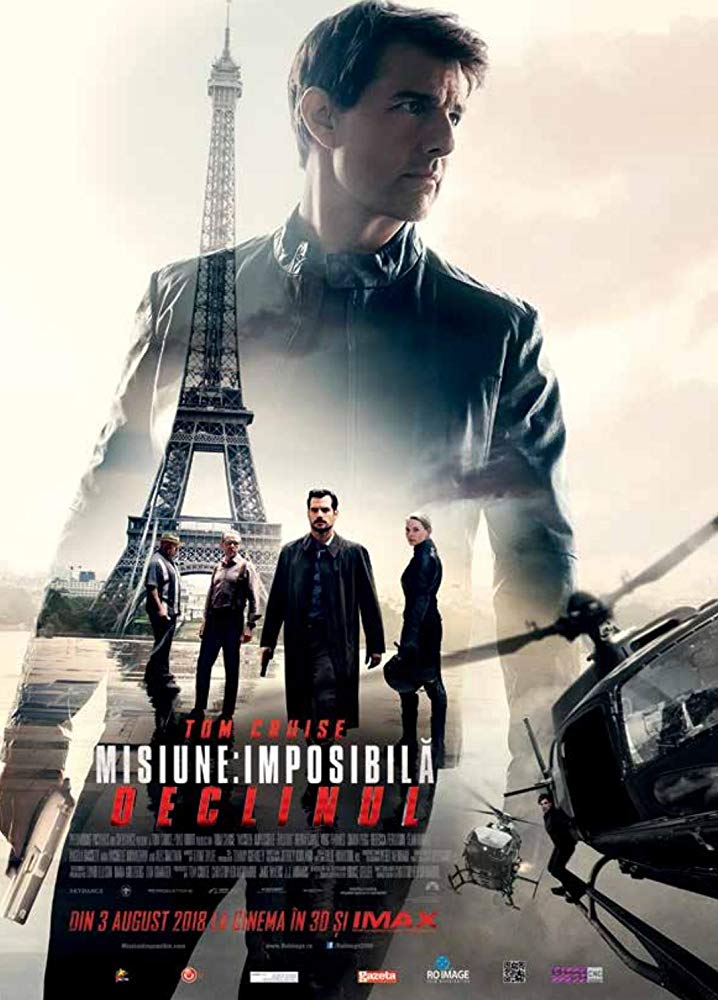
I can’t recall what was the last film that everyone said was great. The most recent one that I enjoyed is Mission Impossible – Fallout, but there are also people who think it’s “disappointing”, “same old, same old” and “cliché”.
It’s not because there is a lack of content. In fact, we are given a lot more options than before. Every month, there are one or two blockbusters hitting theaters. The peak season for movie release is diversified internationally and summer season is a thing of the past. Summer in North America is winter in Australia. In China, more big-budgeted films compete for “10.1 Golden Week” (National Day holiday) in fall and Chinese New Year period in spring.
There is also a bigger variety. Hollywood is no longer the only place that’s capable of churning out blockbusters. Other countries such as China and South Korea also have mega projects that draw international audiences.
Streaming services, such as Netflix, Amazon Prime and Hulu, are also contributing to (or disrupting) the movie business. Australians can’t get enough of Netflix. Its homegrown streaming service Stan has been doing well too. China’s Youku has 4.2 million active monthly users, while iQiyi has 50.8 million paid subscribers. Not only they stream the movies from big studios, but also make their own films.
But with so much content, why is it hard to find a good movie and there’s never a shortage of bad reviews?
The glut of content is precisely one of the few things that are killing the movies, because too many options is never a good option.
Pampered with so many choices, viewers are getting pickier. For only $13.99, we can watch as many movies as we can on Netflix for a month. Changing to another show requires just a few clicks and there is no penalty for not finishing one. We are more likely to end a movie if we get bored only in the first 30 minutes.
We are also given all the freedom when we stream movies at home. We can pause it, make a phone call or do anything else we want. We can even go out to run an errand and come back to pick up where it is left off. But an upsetting event in between might just be the reason that spoils our mood for a movie.
In a theater, that’s another story. If we pay $12-$15 for a movie, however lame we find it in the first 30 minutes, we will sit through it for that ticket price’s worth. It is also a different experience altogether, with a bigger screen and a better sound system, a crowd that cheers together with us and prevents us from doing stupid things, such as going for a toilet break, updating social status or getting itchy with our phones.
But going to cinemas is no longer an exciting event, never mind that steaming services have given us more reason to stay home. These days, making a movie generates enough buzz of its own and our anticipation has worn off by the hype long before the movie is released.
Instead of promoting the movies, the hype is now doing the opposite most of the time: destroying them. Remember the bombardment of news that Henry Cavill’s mustache was removed digitally for his Superman role in Justice League? Did it really deserve so much media attention that many major news outlets had to lash out at the bad special effects?
The news did its damage and partly undermined Justice League. Honestly speaking, I wouldn’t have cared about it if it wasn’t for the incessant reports. Now that it was made abundantly clear in the news, I had to pay extra attention to Cavill’s face when I watched Justice League, and I carried a prejudice that all special effects could be bad in that movie.
But in a way, it also elevated Mission Impossible – Fallout, in which Cavill played the villain with a beard.
He kept his beard for a movie that was shown a year later. It must be worth it, right?
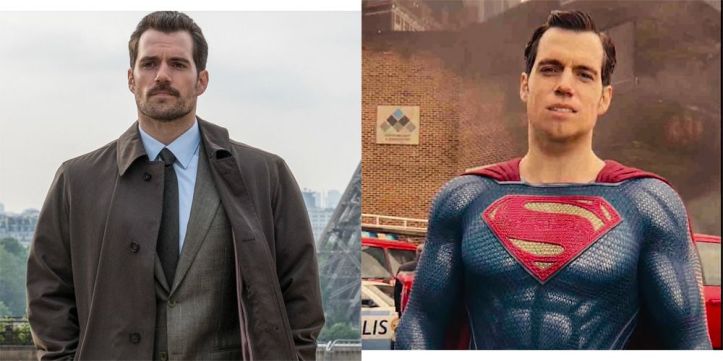
Image source: Esquire
There are even more absurd news, with lengthy and cringe-worthy titles such as “Kevin Smith Agrees With The ‘Avengers: Infinity War’ Theory That A Dead Character Is Still Alive”, “Fans have a theory that Thanos time traveled at the end of ‘Avengers: Infinity War‘”, and “Chris Evans Says Last Captain America Line He Filmed in ‘Avengers 4’ Was Something Really Stupid”.
Seriously? Are these writers so bored that they can’t find anything more interesting to write about?
It’s nice to know though that future journalists need not worry about their job prospects, because they will have plenty of topics to report on without the need for thorough research.
I wish one day I could do myself proud by writing for “Nerd Magazine”, penning sensational pieces like “Wolverine is not dead in Logan (because Marvel wants to make another $100 million out of a sequel)”, or “How Hulk would beat Iron Man in a showdown and it will not be like what you have seen in The Avengers: Age of Ultron”.
Catchy titles, huh? I might get a Pulitzer in “the most productive writer with the least amount of effort in research” category.
The biggest culprit, however, is this: People have way too many opinions and their views are too divided.
I used to rely on reviews to decide what movies to watch, but that stopped working because none of the movies is good enough according to the increasingly divided viewers.
Critics generally don’t have anything good to say. I guess they are called “critics” for a reason. Even for commercially successful shows that are well received by movie goers, they can nitpick their flaws.
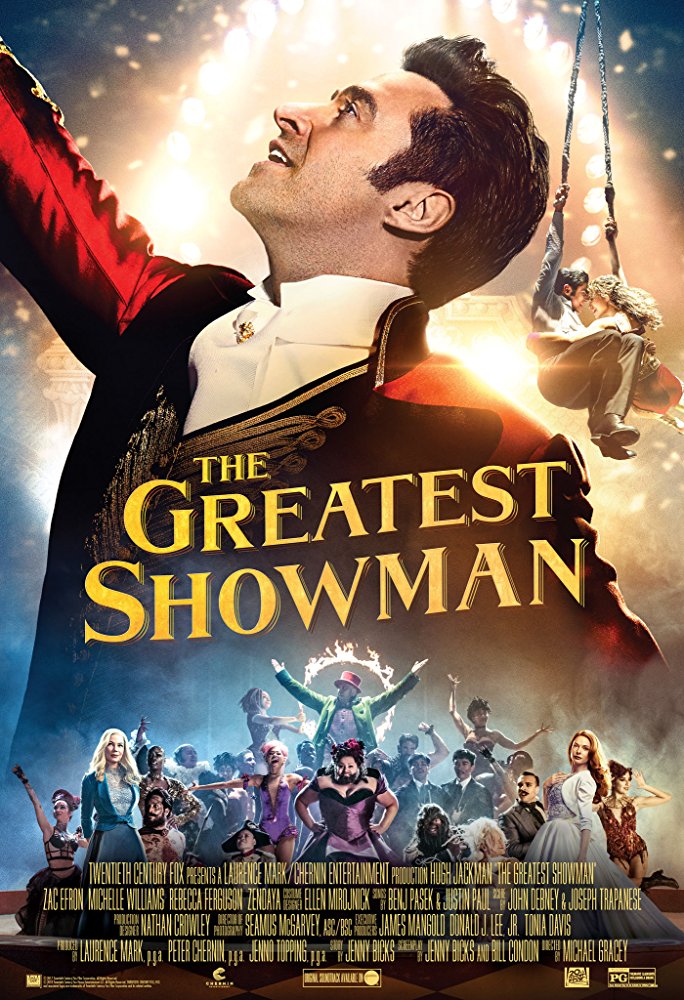
The Greatest Showman is the best musical I have seen in years. I have enjoyed every minute of it, and it is a box office hit. But it was widely mocked by the critics. Toronto Globe and Mail called it “empty, moronic, pandering and utterly forgettable”; The Telegraph said it “misreads the mood like a man following a funeral cortège in a Bernie Clifton ostrich suit.” Daily Review commented it was “the greatest kind of con: a repugnant film full of lies”…
If I bought any of the expert opinions, I might have ignored the film altogether.
It is fascinating that such a profession even exists. Critics get paid for criticizing other people’s work. If these critics know so much about movies, why don’t they make one themselves and show us how good they really are? But no, that money won’t come as easily as writing a negative review.
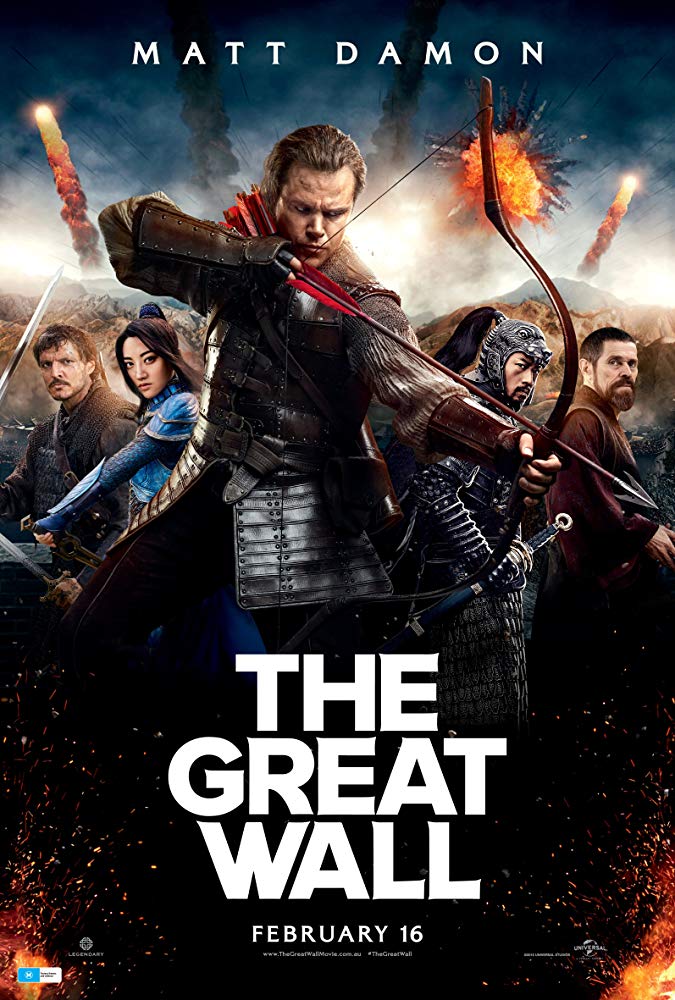
Ordinary folks have a lot to say as well. Before Ghost in the Shell and The Great Wall were even released, people were labeling them whitewashing. I didn’t know that mattered so much in fictional work. Both films are fantasies, the stories never happened in real life.
The original director of Ghost in the Shell even defended the casting of Scarlett Johansson: “What issue could there possibly be with casting her? The Major is a cyborg and her physical form is an entirely assumed one.”
I am even more baffled by the boycott of the latter. So, the Chinese don’t mind casting Matt Damon as the lead in the most expensive production in Chinese movie history, but Americans are not happy about it? They do realize Damon plays the hero who saves the Chinese civilization, don’t they? Or they prefer the other way around: an Asian saves the western civilization?
IMDb user reviews used to be good reference, but they have become a boisterous crowd.
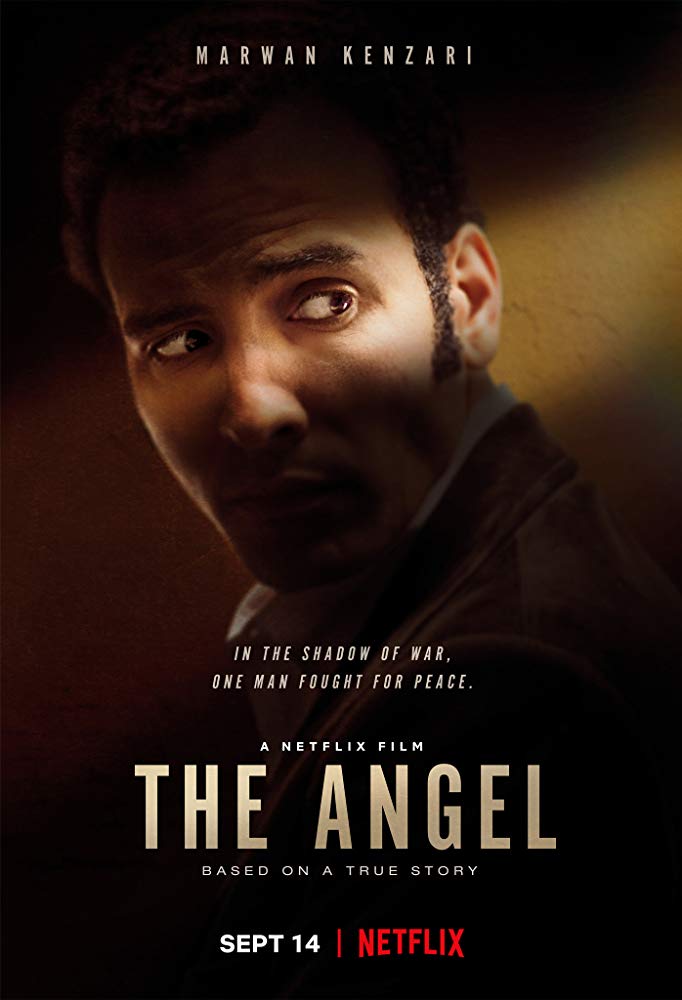
I find the Netflix movie The Angel a good show. Well, not great, but good. If I referred to the reviews first though, I might have had a second thought.
Some users poured their praises, saying it is a “great story” and “probably the best movie on Netflix”; some are less impressed, citing “so many plot holes” and “dull”; and then there is the bizarre comment: “ridiculous Egyptian Arabic accent”, despite the fact that it’s an English language movie sparsely mixed with a few words of Arabic. Apparently, that’s more than enough for him to judge the quality of the whole movie. He went on to rate it 1 – on a scale of 10.
Among those who hated it, one user rated it 2 out of 10 because he found it “biased”; another rated it 4 and berated it “not a single history fact of 1973”, and 11 people agreed with him.
Let me get this straight: They clicked on a movie based on true events and dramatized for entertainment purpose, spent nearly two hours watching it (I assume they finished it because it would be completely unfair to rate it if they didn’t), and then spent more time writing the bad reviews to complain that it wasn’t so much a documentary.
Really?
I suppose they must have experienced the events firsthand. I mean, how else do they know the details of such a highly classified espionage are not accurate?
To these reviewers personally, I don’t know why you guys did this to yourselves, but I strongly recommend that you subscribe to History Channel instead. You will find more interesting stuff there.
It is a pain to search for a good movie. People just don’t know how to enjoy a show anymore. For now, my solution is avoiding all the talks and let me be my own judge.
 The Tip Box
Yes you are exactly correct. I really support your views.
LikeLiked by 1 person
Thank you so much!
LikeLike
Great thoughts
LikeLike
Thank you!
LikeLike