Korean love-story dramas are crazily popular in China, particularly among young girls. But it is not because they are good shows. In fact, they are very slow, draggy and melodramatic.
Then why the young girls love those shows so much? Because they offer the fantasy they have always had – a romantic relationship with a perfect man.
The male stars of every Korean drama – more accurately, the roles they play – epitomize the three qualities that young Chinese women are looking for in a potential life partner: gao fu shuai (tall, rich and handsome). Romantic is definitely a plus, but it is not a prerequisite.
If the boyfriend meets all the three requirements, then the girl has hit the jackpot. She can proudly proclaim to have found true happiness in life, without any assurance if the guy will treat her well in life. Having such a man by her side will make her feel like a princess, like what is depicted in Korean love dramas.

Except that is often not the reality.
Several girls I know in China had persistently pursued that dream, but they didn’t end up quite the way they wanted. After reaching late 20s or early 30s, they settled for someone not exactly the opposite of gao fu shuai, but can be best described as average, average (or maybe above average) and average in terms of those three qualities.
The sad truth
Of course, there are not that many men who can hit all the marks in real life. But one quality cannot be compromised: rich, or at least well-off.
It can be easily measured. Does the guy have a nice house, a fancy car and a good income? If he doesn’t, he already failed to become a candidate.
The truth is that marriage is becoming a business transaction in China. In this case, the transaction has an impact of a life time. With the set preconditions, marriage for girls is the pursuit of wealth or a chance of getting wealthy. Sadly, wealth is the foundation or even the definition of happiness for most Chinese people.
In one episode of the popular dating show “If You Are the One” in 2010, a 22-year-old girl from Beijing unabashedly said on TV: “I’d rather cry in the back seat of a BMW than smile on the back of a bike.” Her words caused a severe backlash among the viewers, but she spoke the mind of many Chinese women of her generation, who are more materialistic.
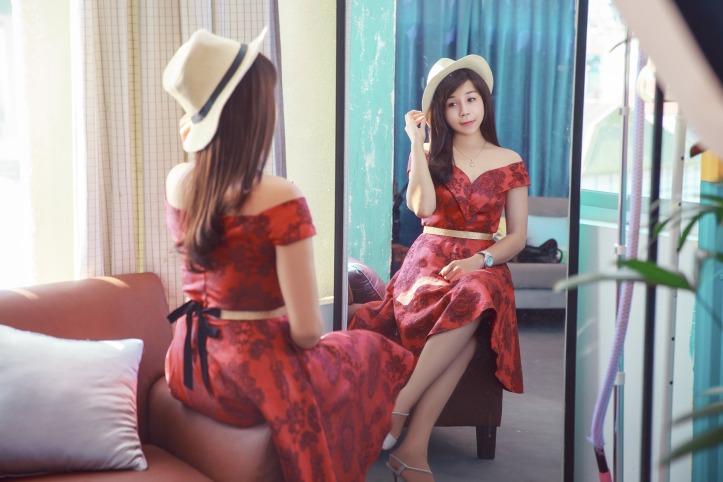
Girls cannot be blamed entirely for thinking that way though. Their family thinks the same way and more likely than not, has influenced them. Parents often stress to daughters to find Mr Right, who must be rich and can provide for them for a lifetime.
It is worth mentioning that the girls under pressure to get married now are the generation from the 1980s and 90s. They were born at the height of China’s single-child policy. It is understandable that their parents do not want their only child to have a difficult life.
The dilemma
A transaction of this significance cannot be made quickly and easily. Most girls choose to wait for the right man. There is nothing wrong about their decision. Considering the education level and the capability of modern Chinese women, they have more freedom to do so.
However, the society does not agree. This created a phenomenon in China – women who remain unmarried beyond late 20s are labelled sheng nu, a derogatory term that literally means “leftover women”.
The official definition of sheng nu are girls who are unmarried at the age of 27 and above. It is quite harsh. I have lived in Singapore for 17 years and many girls I know chose to get married only when they were reaching 30. If the definition is applied in Singapore, I don’t know any female friend there who was not a sheng nu before she got married.
Similarly, the median age at marriage for women in Australia is 29.9. Australians are less judgemental and there isn’t that much pressure on women to marry young.
For women in China, pressure not only comes from outside the family, but also from inside. Though finding Mr Right is important, staying single too long is bad. A sheng nu in the family is embarrassing and will surely invite questions and gossips. For parents, a married daughter is still better than an unmarried daughter, as long as her husband is not unacceptably poor and ugly.
Fighting back is not easy. In this Confucius country, filial piety is a virtue and respecting parents is part of the quality expected from children. For daughters, not getting married is a sign of disrespect.

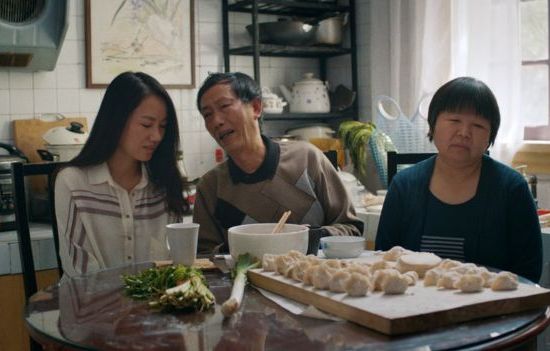
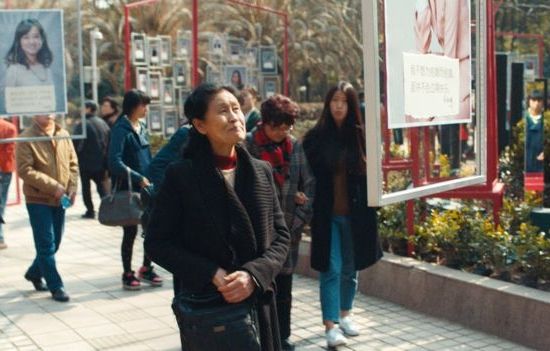
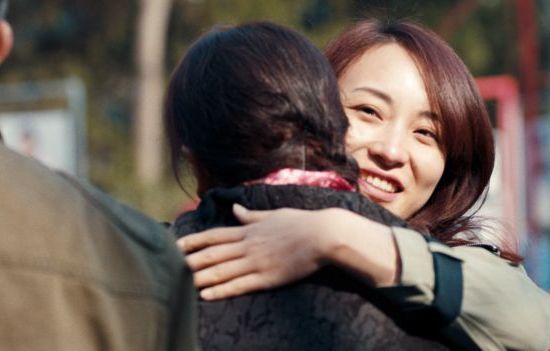
An emotional documentary style TV ad about Sheng Nu in 2016, commissioned by SK-II, went viral in China. The video was widely viewed and drew a lot of debate about the issue.
The grandma of one of the girls I know once said to her: “If you think the prince you have dreamed so long will eventually appear one day, what makes you think he will pick you?” I thought the words were a bit mean back then, but the grandma was being realistic and in her own sarcastic way, trying to persuade the girl to get married soon.
What if the girls are not happy in a marriage then? Can they divorce the man and find another?
Even in today’s China, where the new generation is much more open about sex relationships, divorce still carries a stigma. It probably stings more for the parents of the divorcees, because the old generation believes marriage is for life no matter the cost, and a divorce will bring shame to the family.
Though it is not rare to see people get divorced these days, it is a very difficult decision, especially for women. A divorced woman will subject herself to the judgement of the family and the society. The chance of her getting remarried is also slim, no matter how young she still is. For the three divorced girls I know, who are all in early 30s, none of them remarried. (They found boyfriends later though.)

With the clash between their own aspirations and reality, and so much pressure coming from the family and society, the odds of finding true love are not in the favor of the new-generation women in China.
 The Tip Box