In Singapore’s National Day Rally 2017, Prime Minister Lee Hsien Loong highlighted the importance of pushing e-payments and pointed out that China is leading the way in this area.
Indeed, the Chinese are way savvier about e-payments. I have seen plenty of people use it during the trips to China in the last few years. From barely 10-year-old kids to over-60-year-old grannies, people have no qualms about making payments through their phones. They use it everywhere – at grocery stores, online shops, Didi rides (the Chinese equivalent of Uber), cinemas, restaurants, bars and malls. For people in China, it is an alternative – often a better alternative – rather than a fancy or unsafe method to make transactions.
The e-payment infrastructure in China is impressive too. In August last year, I walked into a small noodles shop in Wenzhou with a Canadian friend and saw a prominent sign of WeChat Pay at the counter. The shop had no more than five or six tables, and my bill was only RMB32 (US$4.83). Typically, small shops will resist credit card or mobile payment for small amounts. But the owner encouraged me to use WeChat Pay because there was 10% discount!
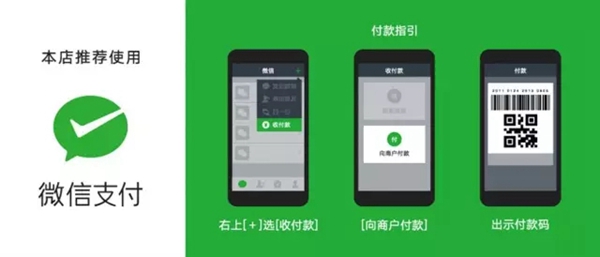
The owner also showed me how easy it was to make a mobile transaction: Just open the WeChat app and scan a bar code that the shop produces, then the correct amount will be deducted. My Canadian friend was equally surprised as I was, exclaiming: “We don’t have anything like this in Toronto!”
Even before Apple Pay, Android Pay and Samsung Pay made news, China already implemented electronic payment systems in many different areas that have a big impact on daily lives. Alipay – the platform set up by the Chinese tech giant Alibaba – was already a big thing in China years ago, and WeChat Pay caught up pretty fast later.
Now Alipay and WeChat Pay are the two major players in e-payments and practically command all the mobile transactions in China. WeChat Pay is especially popular now, as almost everyone in China who has a smart phone uses this communication app.
In other parts of the world, WeChat users are not able to enjoy this benefit, though the international version of the app comes with the same feature.
International users can only receive money in their WeChat Wallet, but they are not allowed to top up the Wallet. The reason is simple: The Wallet can only be tied to Chinese bank cards.

This is due to the financial regulations in different countries. While WeChat has reached agreements with Chinese banks, they have not done so with international banks. Even if the overseas banks have the intention of doing this to expand their source of revenue, they will have to seek the approval from their respective governments first. When it comes to financial regulations, things always get complicated.
Then again, WeChat is probably not bothered by this. When you have a market of over one billion people, you already have enough potential for your business. (According to the latest data, there are 1.36 billion registered mobile phone users in China.)
So for now, what you can do with WeChat Wallet is receiving money from friends and transferring it to other WeChat friends. If the recipient is also an international user, then he can only keep or transfer the credit on WeChat, but cannot withdraw it from a bank account.
If you receive funds in your WeChat Wallet from your friends in China or top it up through third-party services, you can transfer the amount to friends by using the feature “Transfer” or “Red Packet”.
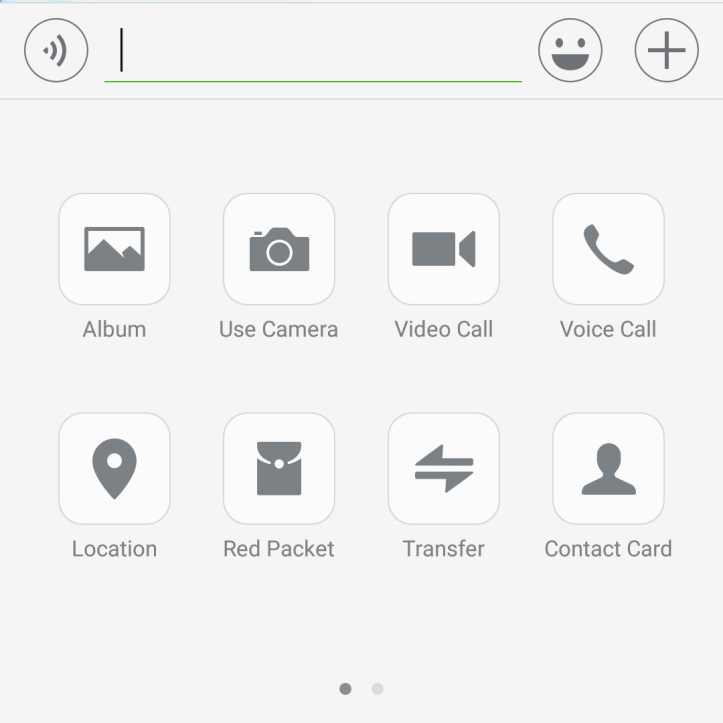
While the former is meant for one-to-one transactions, the latter is more creative. “Red Packet” allows you to send money to individual friends or to a chat group, where several friends or the specific one you address can open it and retrieve the money, while others in the group are the witnesses to the transaction. The amount limit for each packet is RMB200 (US$30.20), but you are allowed to send multiple packets.
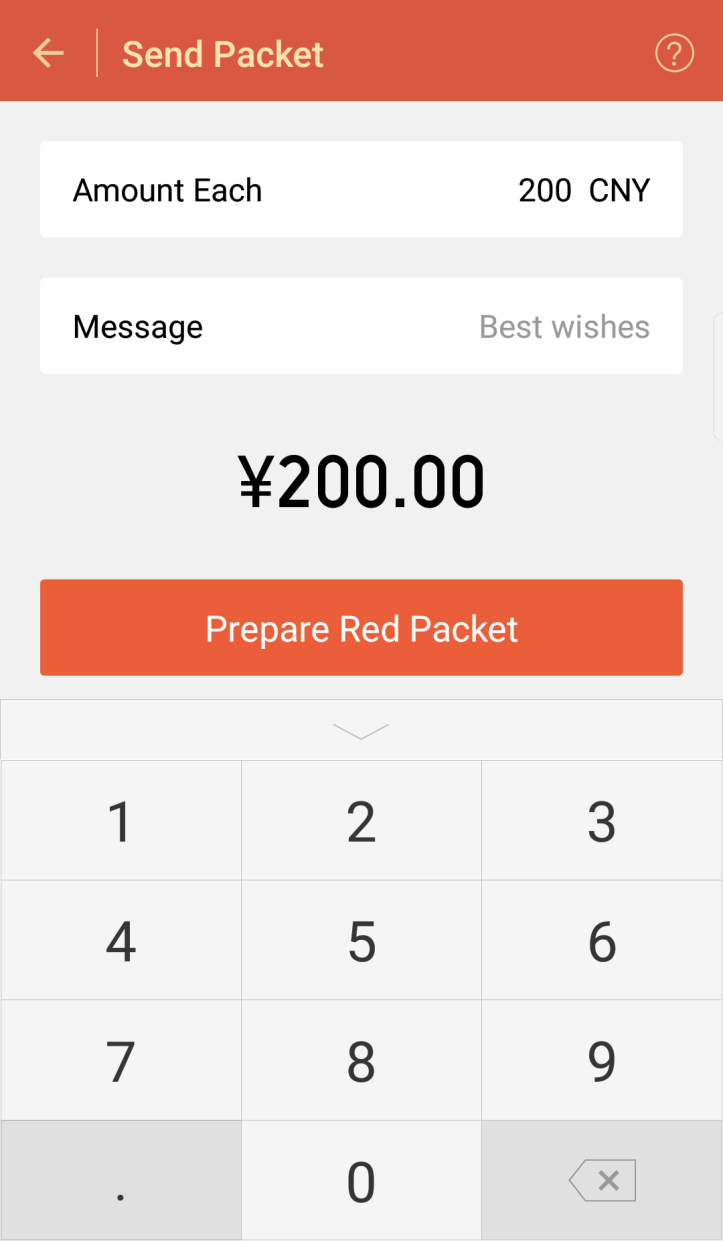
The feature is very popular during holidays in China, especially Chinese New Year. That’s when people dole out hongbao – a usually small amount of cash wrapped in a red packet – as gifts to celebrate the occasion. During the last Chinese New year, which fell on January 28 2017, Chinese people sent out 46 billion WeChat red packets!
 The Tip Box