Despite being one of the remotest countries, Australia remains a hugely popular travel destination for tourists from all over the world. With its beautiful and unique natural scenery, stunning beaches, abundant wildlife, cosmopolitan cities and the laid-back lifestyle, Down Under offers a complete package that captivates tourists of all sorts.
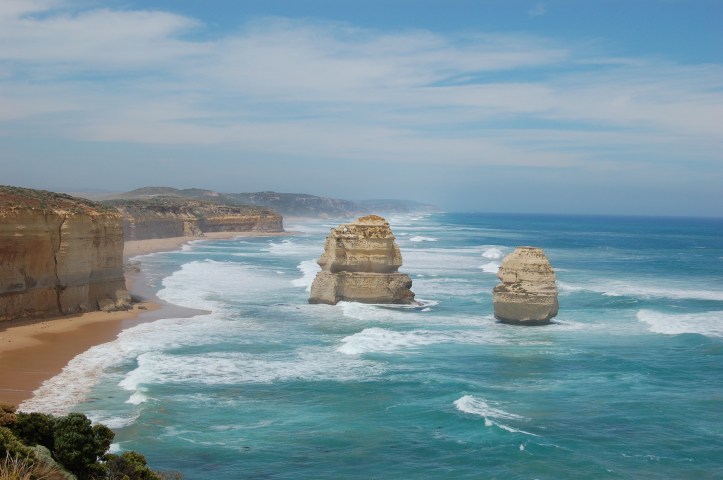
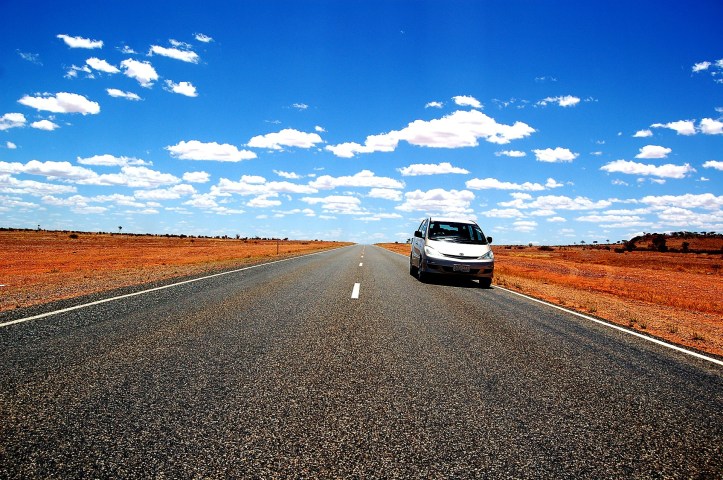
Self-drive tours are particularly attractive in Australia, as the country has great road infrastructure, while car rental rates are very affordable and the service is genuinely good. Aussie drivers are also generally polite and patient.
For those who are interested in exploring Australia with freedom and flexibility, here are some of the tips you will find handy: (Melbourne is often used as an example, but the tips apply to most Australian cities.)
1. Reserve a car before your arrival
Planning ahead gives you peace of mind when you arrive. Some of the car rental websites allow you to book a car of your preference without booking fees and cancel it without penalty. When you land in Melbourne Airport, you can load your luggage bags and drive away to your next stop immediately.
If you are already enrolled in the royalty program with a car rental company, such as Hertz, Europcar and Alamo, you can redeem your points to save on your booking. If not, try AirportRentals.com. It allows you to select the destination city, rental company and preferred rate from a wide range of car rental services, including the aforementioned three companies. You will also get to choose your pick-up and return location.
The rental fee for an automatic 5-seated sedan, such as Nissan Almera, Hyundai Accent and Toyota Corolla, averages AUD32 – AUD35 a day. If your rental is over one week or longer, you’ll get better offers with long-term rental discount. Price can drop to AUD22 – AUD25 a day! In comparison, a taxi ride from the Melbourne Airport to CBD is between AUD48 and AUD68, enough to cover a day’s car rental including insurance.
It takes about 20 to 30 minutes by car from Melbourne Tullamarine Airport to CBD. Soon out of the airport area, you will be driving on the freeway M2 with a speed limit of 100km/hr. Most of the multi-lane roads in the city have a speed limit of 80km/hr. It’s very safe to drive in Australia and you can enjoy the sensation of driving fast and smoothly on the freeway!
2. Bring your own GPS or use your smart phone for navigation
Though some of the cars are already equipped with a built-in GPS, most car rental companies will charge you AUD8 – AUD10 per day for GPS rental.
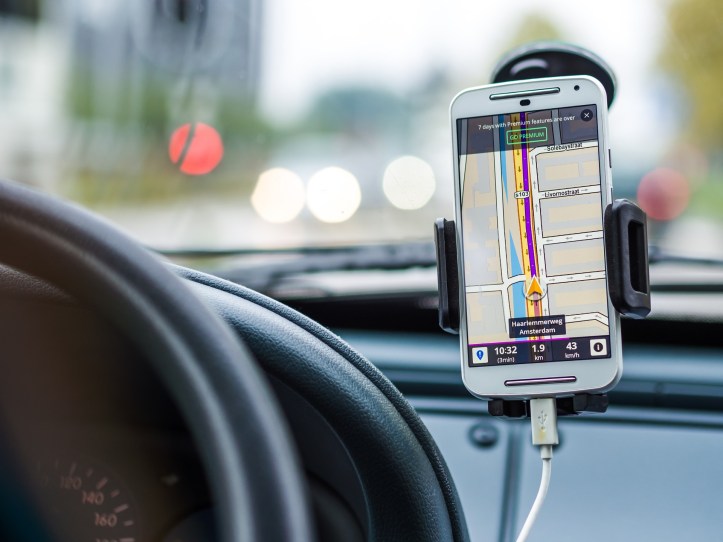
Don’t waste your money on that. You can get a very good GPS with pre-loaded maps from Target, Coles or Woolworths, the biggest supermarkets in Australia, for under AUD120. If you rent a GPS for two weeks, the cost is enough for you to buy a new one. Basic models of Navman or Garmin are around that price and work perfectly well!
If you are not worried about draining your phone battery, using your smart phone’s Google Maps navigation works just fine!
3. Get your own car insurance
Don’t take the risk of driving in a foreign country without insurance coverage. I’m pretty sure you’ll drive safely when you are traveling, but car insurance is the best way to ease your mind when you are on the road.
When you book a car, the rental company will offer you insurance, typically called “excess damage insurance/protection”. Prices range from AUD18 – AUD22 per day for the basic protection, which covers an amount of up to AUD4,000 for any damage to the car. Unless you are a bad driver or you fret over venturing into unfamiliar roads, you can buy more expensive plans to give you AUD6,000, AUD8,000 or even higher coverage.

You can buy third-party insurance plans that offer the same protection at a lower cost. A very good insurance company to look to is Allianz. You can get a quote from their website and purchase their Rental Vehicle Excess Insurance plan directly. For a couple of days’ coverage, the price is about AUD16 per day. One week’s coverage brings the price down to AUD12 per day and two weeks’ protection cuts it down further to only AUD11 per day.
Of course, some of the travel insurance will also cover your rental car excess damage besides your medical expenses and travel accidents. If you have that type of insurance plans, you will probably get more savings.
4. Pay attention to road signs and directions
Pay attention to all the road signs while listening to your GPS instructions. Some of the intersections are a little tricky with multiple roads crisscrossing together, where you’ll see a few left or right turns next to each other.
Keep or bear left/right on the GPS might not necessarily mean making a turn, but rather following a curved road through an intersection. If you make a turn to another road, you’ll probably end up in big trouble, sometimes with traffic coming right toward you.
5. Give way to trams and don’t miss the turn at roundabouts
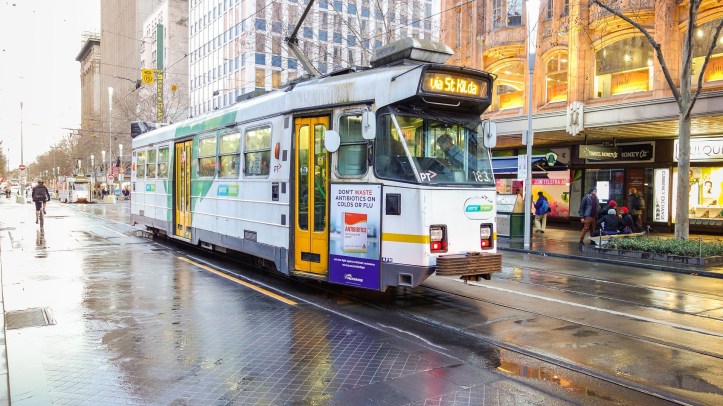
Tram is an important transport in Melbourne and has the priority on the road. Most of the time, you won’t have any conflict with the trams, which have dedicated tracks and move slower than cars. But sometimes for you to give way to trams in the city, you are required to perform a unique “hook turn”, which confuses a lot of foreign drivers. The chance of running into those areas is rare though. Anyway, you’ll see a prominent sign in those places.
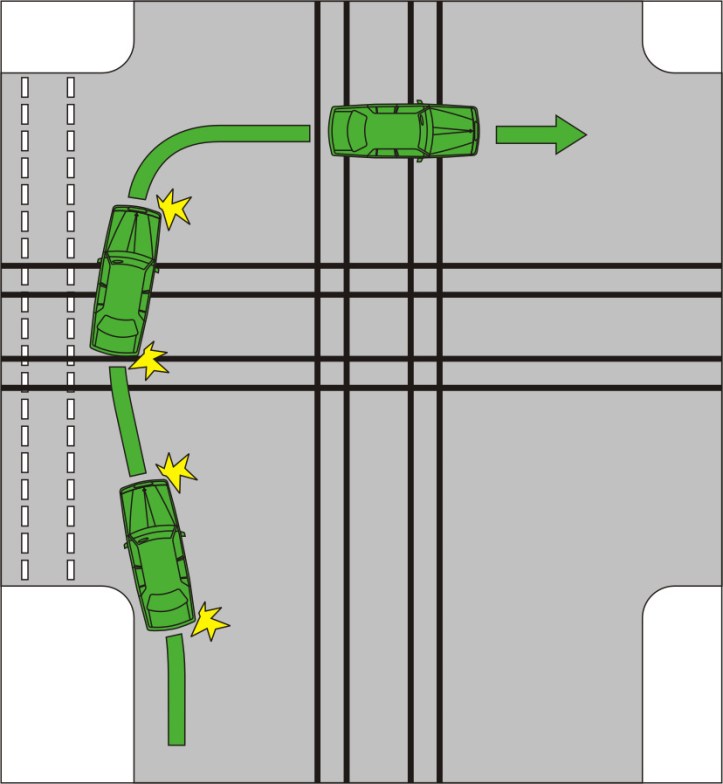
There are a lot of roundabouts in Australian cities and some of them have multi-lanes. GPS tells you which exit to take: The first, second, third or fourth. Generally, the first exit is turning left; the second is going straight in the same direction after half a circle; the third is making a right turn and the fourth is making a u turn.
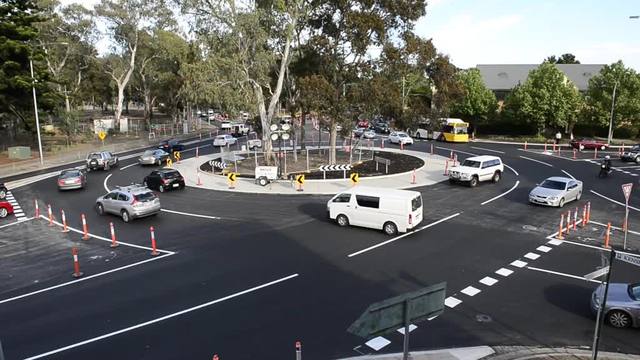
Sometimes, it can be confusing at the roundabouts connecting multi-lane roads, where you might pick the wrong exit. Who has the right of way can also be a little tricky. But be observant and drive slowly, you will be fine.
6. Try not to drive in the CBD
Though driving is a lot more convenient compared to public transport in Australia, driving in the CBD area is a different story.
Trams are very busy in the CBD, and there are plenty of pedestrians. You will need to maneuver on the road and often need to wait long for pedestrians to cross the roads from two directions before you can make a turn.
While you can find a parking space easily at suburbs where there is free road-side parking everywhere, you need to pay for a parking space in the city area. Parking tickets are not cheap, averaging AUD6.5 per hour in Melbourne CBD.
If you want to save time and enjoy the convenience of driving with a price, book your parking space online first. That can save you some trouble. Use Secureparking’s service to book your parking lot from a dozen of car parks in the CBD, with some offering AUD30 for a whole day. The website also has discount on early bird parking and special weekend rate.
 The Tip Box