China is fast becoming one of the most popular travel destinations. In 2015, 56.9 million foreigners visited China, making it the fourth most-visited country in the world.

Most tourists land in Beijing, Shanghai, Shenzhen or a few other major cities to start their tours. But even in these fairly cosmopolitan cities, you will find yourself in a place where the majority of people don’t speak a single word of English, let alone other inland towns. This is a major obstacle for foreign tourists to travel around China.
Unless you have a translator with you 24/7, it is important that you can speak at least a few Chinese words.
These are the basic phrases you will need to know in China:
1. Hello: knee-how.
2. Excuse me: boo-how-yeast (without “t” in the end and more emphasis on “s”).
3. Thank you: shade-shade (without “d” in the end).
4. How much (money): door (without “r”) shout (without “t”) change (without “j”)
5. Yes: howdy (more flat tone on “how”). “No” is pretty much universal!
6. Never mind: may-yo-gwan-sheep (without “p” in the end).
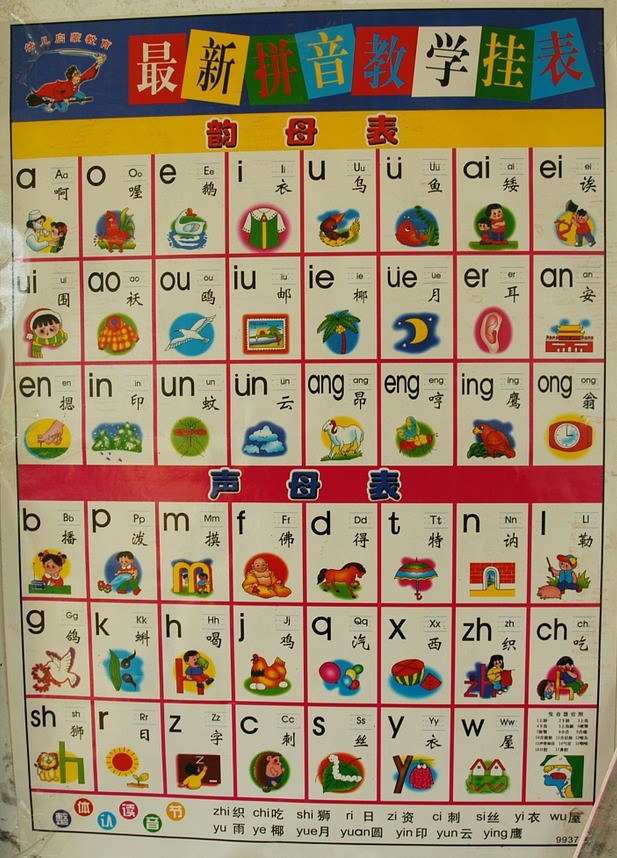
There are also names and public signs that are written in roman letters in China, known as “Pinyin”. Some of the letters will strike you as odd and you will be confused about the pronunciations. But if you find the replacement letters in English, you will pronounce them just right.

7. Zhou, Zao, Zu: The vowels won’t be difficult to figure out, they sound just the same in Chinese and English: Ou is O, ao is au, u is u. The trick is “Z”. Replace it with “J”, and you will sound just about right!
8. Xia, Xu: Again, the vowels are pretty much the same, ia is ah, u is u. Now replace “x” with “sh”, you will get the correct pronunciation in Chinese.
9. Ci, Si, Zi: tszzz, Szzz, dszzz. The pronunciation of “tszzz”, “szzz” and “dszzz” is very common in Chinese but non-existent in English. For “Ci”, imagine pronouncing “boots” without “bü” in the beginning; for “Si”, pronounce “yes” without “ye” in the beginning and give a little more emphasis on “s”; and for “Zi”, there’s no similar sound in English pronunciations. But remember: It is definitely not pronounced “Zee”.
Happy practicing!
For tips on organizing your trip through China, I recommend you read this post: Overlanding through China.
 The Tip Box