Budget airlines are all the rage in recent years. They offer cheaper air tickets compared to traditional airlines, providing travelers with more economical choices.
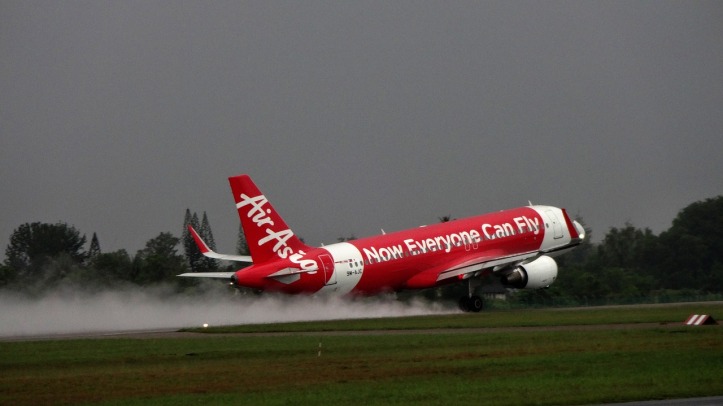
China, one of the hottest travel destinations these days, is not far from Singapore. If you fly to southern Chinese cities, you can get there within 4 to 5 hours. Some travelers choose budget airlines to fly to China, such as Tigerair, Scoot, AirAsia and Jetstar Asia, for cheap air fares. But if you count in everything, will budget airlines really help you save a lot? Let’s do a comparison.
Changsha, the capital city of Hunan province and the transit stop to the tourism hot spot Zhangjiajie, is the city I was born in. My parents still live there and I’ve taken all kinds of flights from Singapore to Changsha. Here, let’s pick this city to compare the air fares.

Night scene of Changsha
From Changi Airport to Huanghua Airport of Changsha, there is only one direct flight offered by SilkAir. In off-peak seasons, the air fare for a SilkAir flight to Changsha is about S$600. Of course, price can rise higher during holidays. But for the sake of comparison, let’s just look at the regular price. After all, even budget airlines raise air fares during holidays.
You also have several options to fly to Changsha by taking budget airlines, though they all make some detours. For example:
1. Fly AsiaAsia to Kuala Lumpur and then Changsha. You can get a return ticket from Singapore to Kuala Lumpur for about S$70 to S$90, and from Kuala Lumpur to Changsha for about S$400. You pay about S$470 to SG$490 for the whole trip.
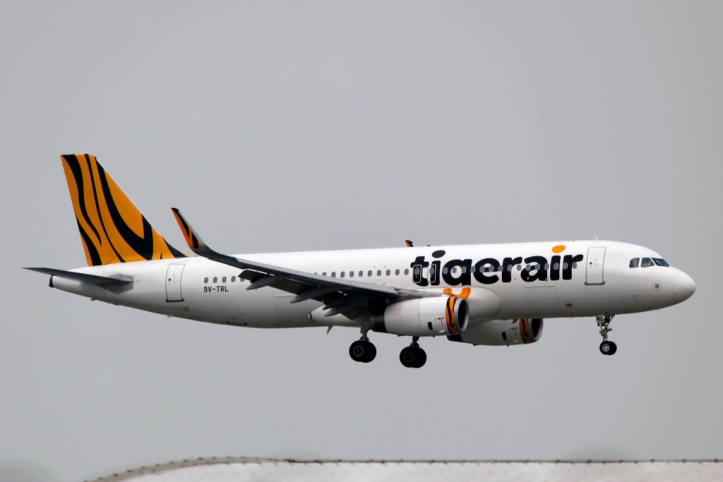
2. Fly Tigerair or Scoot to the southern ports of Guangzhou or Shenzhen and then take a bullet train to Changsha. (Tigerair and Scoot are now partners and share the same destinations.) The return air ticket is about S$355 and train ticket is about S$120. You pay about S$455 for the whole trip.
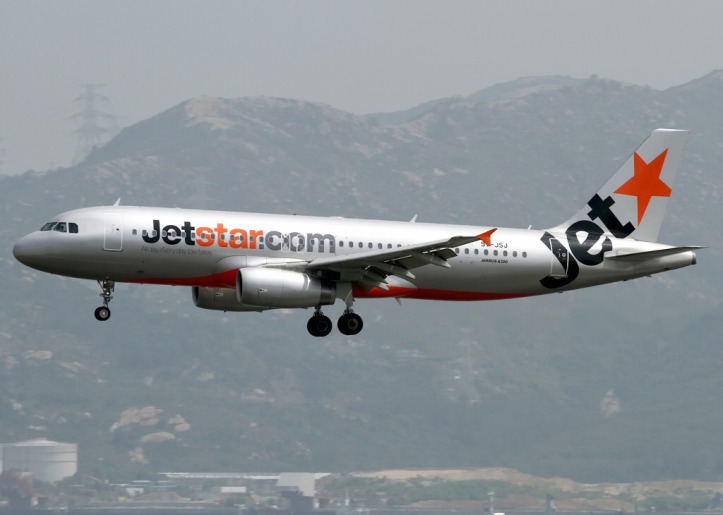
3. Fly Jetstar Asia to Haikou and then Changsha. The return air ticket from Singapore to Haikou is about S$350, and the cheapest return ticket from Haikou to Changsha is about S$220. You pay about S$570 for the whole trip.
Of the three options, the second one is the cheapest. If you look at the ticket price, it’s almost S$150 lower than the SilkAir flight. That’s quite a draw, isn’t it? Now let’s compare the two flights and break it down to price, service and timing.
SilkAir takes off from Changi Airport at 7:40am and arrives at Huanghua Airport at 12:15pm. The flight time is 4.5 hours. It returns from Huanghua Airport at 1pm and touches down at Changi Airport at 5.30pm.
On board the flight, you will be provided with a meal, usually rice with chicken or noodles with fish. About 20 minutes after taking off, free drinks will start flowing, including fruit juice, soda, beer, coffee and tea, until 20 minutes before landing (unless service is disrupted by air turbulence).
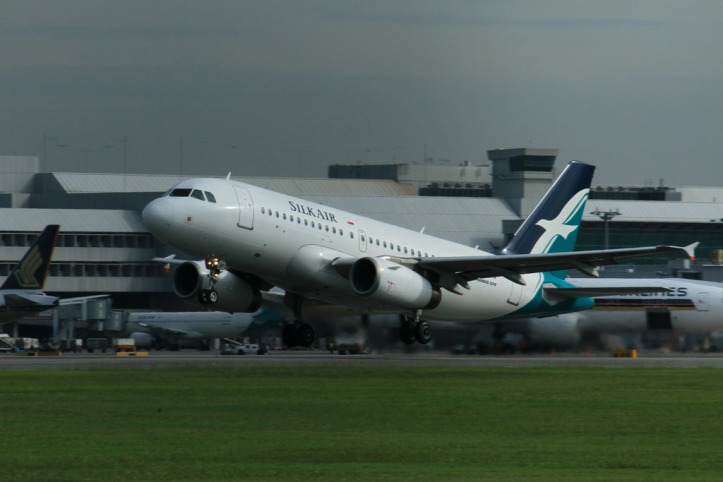
Seats are quite comfortable with plenty of legroom. You will also be allowed to check in 30kg and carry on 7kg of luggage without additional charges.
Tigerair’s flight time from Singapore to Guangzhou is also about 4.5 hours. It takes off from Changi Airport at 6am in the early morning and arrives in Baiyun Airpot of Guangzhou at 10am. Even if you stay close to Changi, you need to leave home at about 3:30am at the latest.
Timings for the return flight are much better. Tigerair returns from Baiyun Airport at 10:40am and arrives at Changi at 3:10pm. But there is one problem. In order to catch the return flight, you’ll need to get to Guangzhou one day in advance. This is because even if you take the earliest flight from Changsha to Guanzghou, you won’t be able to transfer to the Tigerair flight in time. So you’ll need to spend a night in Guangzhou, which comes with extra cost.
For convenience, you can choose to stay close to the airport and pick a budget hotel room for S$40. Plus the meals and transport to the airport, you’ll need to fork out at least another $20. In total, you pay additional S$60 for your temporary stay in Guangzhou.
Tigerair does not provide any free food or drinks, even the blanket is chargeable. A simple meal, such as a sandwich, costs S$5, a drink is S$3 and above. There are added seats on budget airlines and reduced legroom. You can choose to sit in the first row or the seats next to the emergency doors for additional S$30. Even a seat with a little bit more legroom comes with a S$15 price tag. If you want to sit together with your family or friends, you pay S$5 per passenger for “seat allocation”, or you’ll end up scattered around the airplane because the check-in counter will make sure of it.
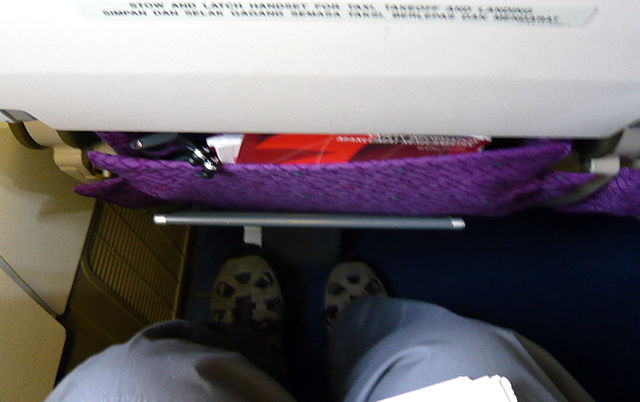
Tigerair only allows 7kg of carry-on luggage. If you are traveling for leisure purpose, you are bound to pay for extra luggage. The minimum addition is 15kg check-in luggage, which costs S$20.
With the lowest budget, this is the breakdown of the cost for the Tigerair flight:
Train fare (Guangzhou to Changsha) S$120 + stay in Guangzhou S$60 + air fare (Singapore to Guangzhou) S$355 + luggage S$20 = S$555.
So ideally, you can save S$45 – but not S$150 – on the trip. For that S$45, you need to prepare to bear the pain of the red-eye flight from Singapore to Guangzhou. You’ll also need to spend a night in Guangzhou when you return, which may increase your travel cost unexpectedly. In terms of service, we already know how much difference there is between regular airlines and budget airlines.
However, whether it’s timing or service, all this doesn’t pose an insurmountable difficulty to travelers. For a 4.5-hour flight, it might be tolerable. A traveler always weighs the comfort and the cost of travels.
I once met a taxi driver when I was traveling in Henan province, China. About choosing the right transport and travel route, this is what she thinks: “Some people choose to save money by spending more time, while some choose to buy more time with money.”
For tips on organizing your trip through China, I recommend you read this post: Overlanding through China.

 The Tip Box