Thanks to Time Magazine’s recommendation, I bought Nien Cheng’s autobiography Life and Death in Shanghai. It was quite a page-turner for me. The story is so gripping that I can’t help keeping reading every time I pick it up.
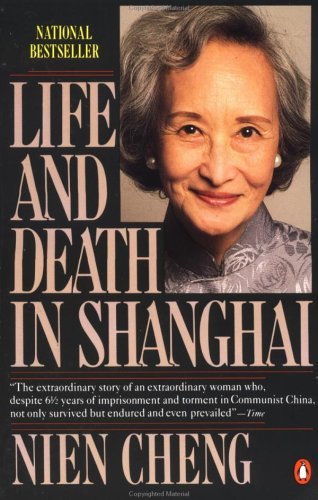 Image: Wikimedia
The book tells how an ordinary citizen’s fate was entangled in the power struggle of the whole country (China), how a strong-willed woman overcame the hardship and torture inflicted on her, and how the infighting in the leadership gravely affected the fortunes of millions of people.
The book gives vivid accounts of the ugliest episode in China’s recent history. The author’s personal experience has given a new perspective to those turbulent times. It’s better than any history books, movies or documentaries. They are real events recounted by someone who went through them. For someone born in the same country, I couldn’t help thinking: what if it was me?
For those of us who have never caught a glimpse of the cultural revolution, this book provides us with a rare window to look back on that dark era and reflect on how a political movement had brought down an entire generation, how the society had been dragged to the brink of collapse and how millions of people had been driven to behave what was required of them instead of their moral standards. In most cases, those behaviors were ignorant, savage or downright despicable. It’s still hard to imagine how those people – if they are still alive – live with conscience today.
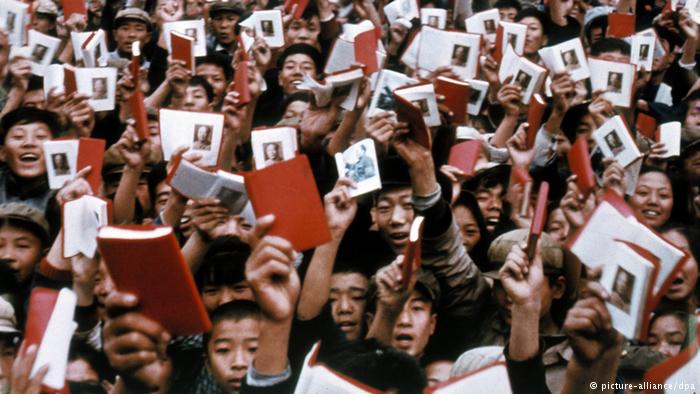
One man and a small group of careerist politicians, particularly the Gang of Four, have wreaked great havoc on a civilization, all for their own benefits. By modern time’s standards, they probably would’ve been brought to trial on the charge of crime against humanity. I feel lucky that I wasn’t born in that time. I’m also amazed at how my parents went through those chaotic years with all the madness hanging over the country.
Apart from a modicum of luck, Nien Cheng’s survival was largely buttressed by her fortitude. That’s worth admiring. She went through numerous struggle meetings aimed at denouncing her and countless interrogations attempting to get her confession; she was deprived of all the human rights she was entitled to and put into 6.5 years of solitary confinement at a detention center in Shanghai.
After her release, she learned that her only daughter died in mysterious circumstance years ago during her imprisonment. Justice was nowhere to seek even after the cultural revolution ended. To live on requires a great deal of courage. Years later, she found herself on a ship bound for America, standing on the deck in the chilly wind, looking at the fading contour of Shanghai in a downpour with indescribable sadness.
What’s deeply touching is despite the ordeal and the tragedy, she still revealed her unreserved love and goodwill towards China, where she was persecuted without mercy. In the epilogue, she wistfully expressed her nostalgic feelings and showed her earnest concerns about the political and economical developments in the country.
For that, Nien Cheng deserves the homage from her birth country.
 The Tip Box